NEWS | 18 Mar 2026
A past hidden behind the beauty
Bali’s silences and the violent past tourism keeps hidden
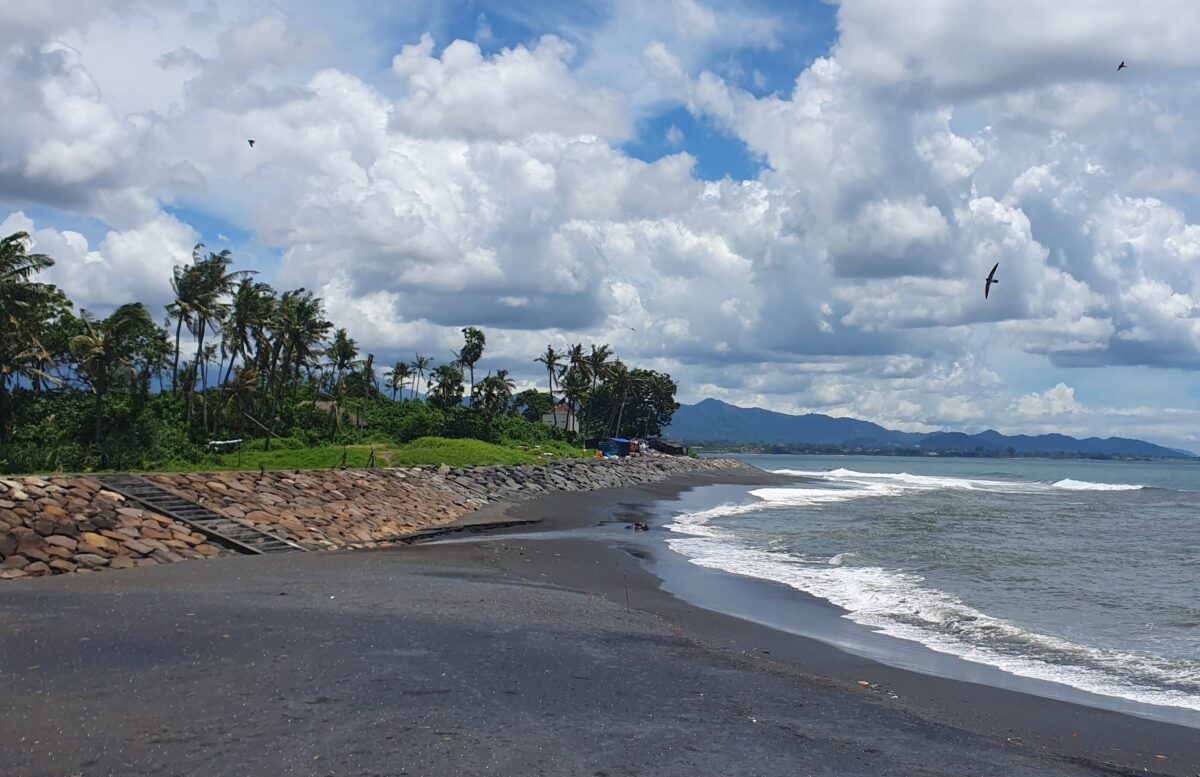
On a recent trip to Indonesia, we explored how tourism on Bali masks the island’s violent past and complicates efforts to confront its legacy.
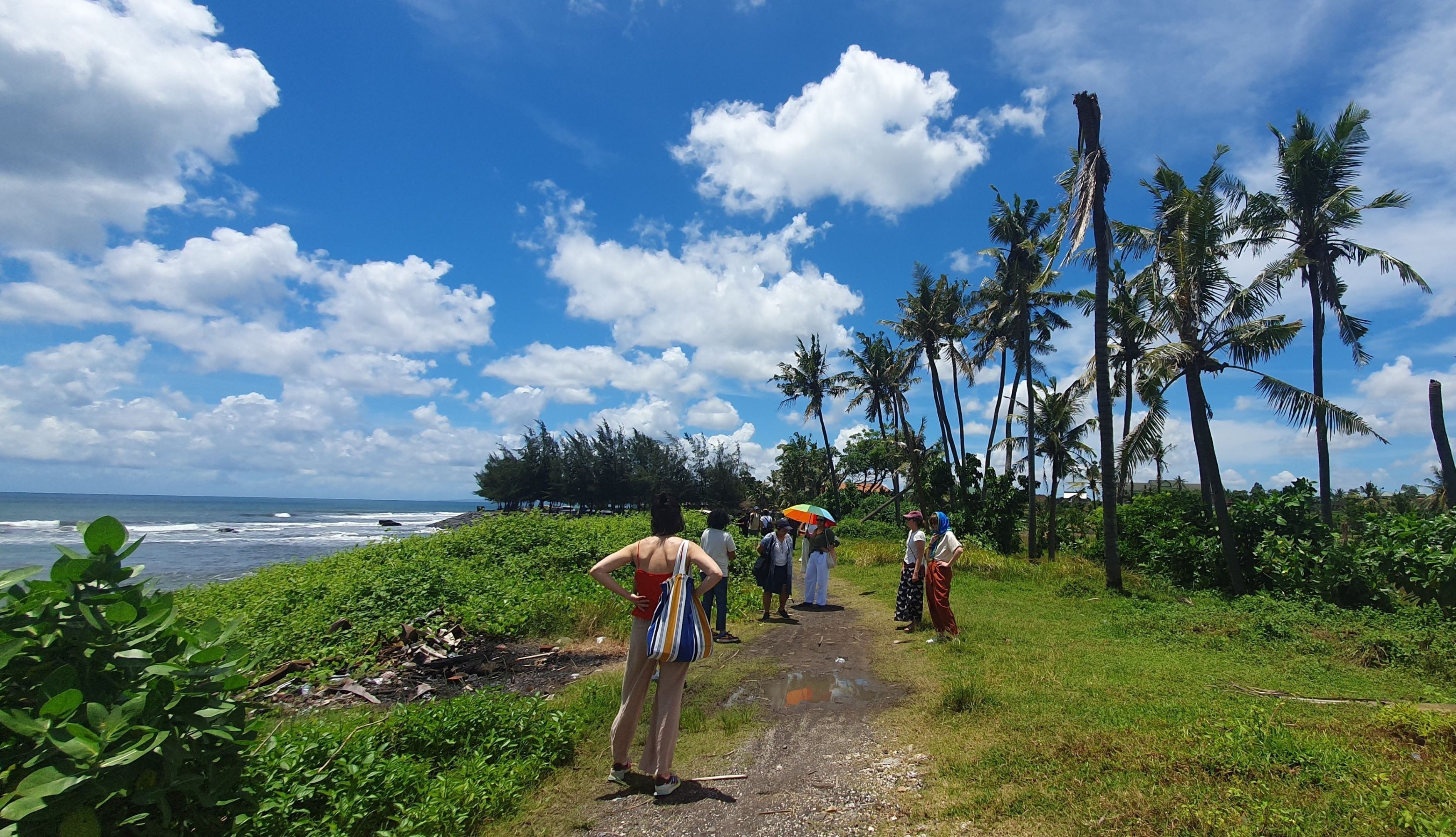
Bali is often imagined as a tropical idyll: an island of beautiful beaches, luxury hotels and warm hospitality. It attracts millions of visitors each year, seeking relaxation, harmony and spirituality. Yet beneath this image lies a violent history that is rarely acknowledged. Some of the same beaches now lined with resorts were once sites of mass executions. In several places, hotels literally stand on top of mass graves. Many Balinese families still carry the profound trauma of violence, while the island’s booming tourism industry renders this past almost invisible.
The roots of this trauma lie in the events of 1965. After a failed coup attempt in Jakarta on 30 September that year, the Indonesian Army blamed the Indonesian Communist Party and launched a sweeping anti-communist purge. Over the following months, up to one million people across Indonesia were killed, while hundreds of thousands more were detained, tortured or disappeared. The label “communist” was applied broadly, often to settle personal or family disputes or to eliminate political rivals. In Bali alone, an estimated 80,000 people were killed. These events were followed by 32 years of authoritarian rule under General Suharto, during which public discourse about the massacres was tightly controlled.
Legacies of unspoken truths
The consequences of this violence continue to reverberate across Bali today. The stigma attached to being labelled a communist did not end with the victims themselves. Their children and grandchildren have also been affected, facing restrictions on employment opportunities because of their family histories. This intergenerational trauma shapes the lives of people who were born long after 1965. Families have been divided, and many have never had the chance to speak openly about what happened due to a culture of silence.
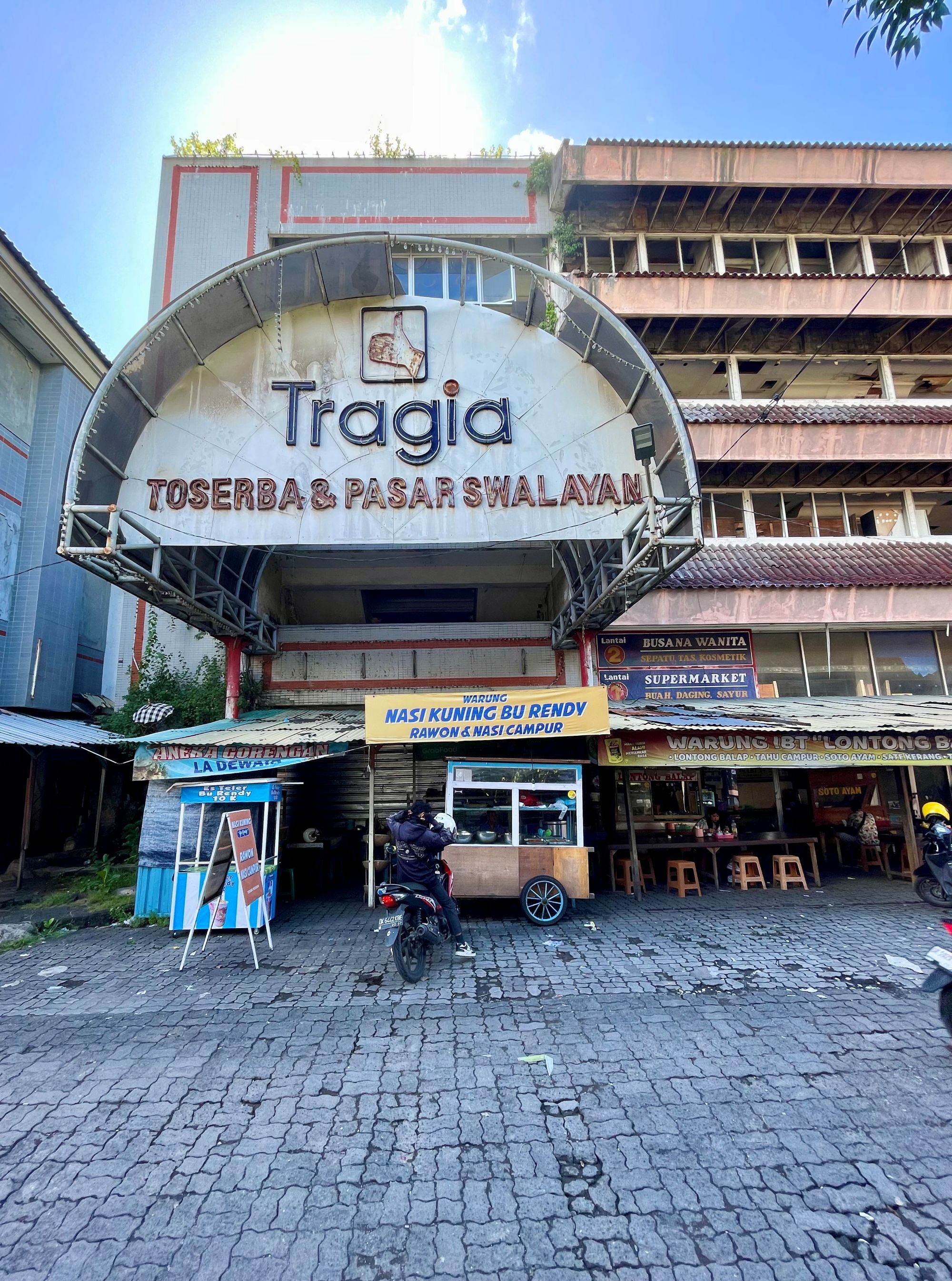
Away from the tourism hotspots, these silenced histories are also embedded in the island’s physical landscape. In Denpasar, Bali’s capital, thousands of residents were detained in the city’s main prison at the time of the massacres. After 1965, the prison was demolished and replaced by the “Tragia” supermarket. But despite its central location, the building has stood empty for nearly two decades. Locals avoid entering the area, with some fearing that it might be haunted. As one Balinese resident put it: “The violence is not talked about, but it still haunts us”.

Elsewhere on the island, the unspoken past is made sense of through local belief. In Petulu, a small village north of Denpasar, residents recount how flocks of white herons began arriving shortly after the killings in 1965. The birds have remained ever since, nesting in the treetops along village roads. For many villagers, the herons are more than ordinary wildlife—they are understood as spiritual presences, the returning souls of those who died, lingering in the place where their lives were taken.
The silence around 1965 is shaped by the broader political context. After the massacres, the Indonesian government restricted public discourse to consolidate its power, using anti-communism as a central pillar of its legitimacy. In Bali, the rapid expansion of tourism further contributed to erasing the island’s violent past. Rather than confronting the consequences of the massacres, the government promoted tourism as a path to development. As one expert argues: “The land left empty by the killings was to be used for commercial purposes”. Today, visitors come to Bali seeking harmony and healing, inadvertently reinforcing a narrative that leaves little room for critical engagement with the island’s history.
Spaces of memory
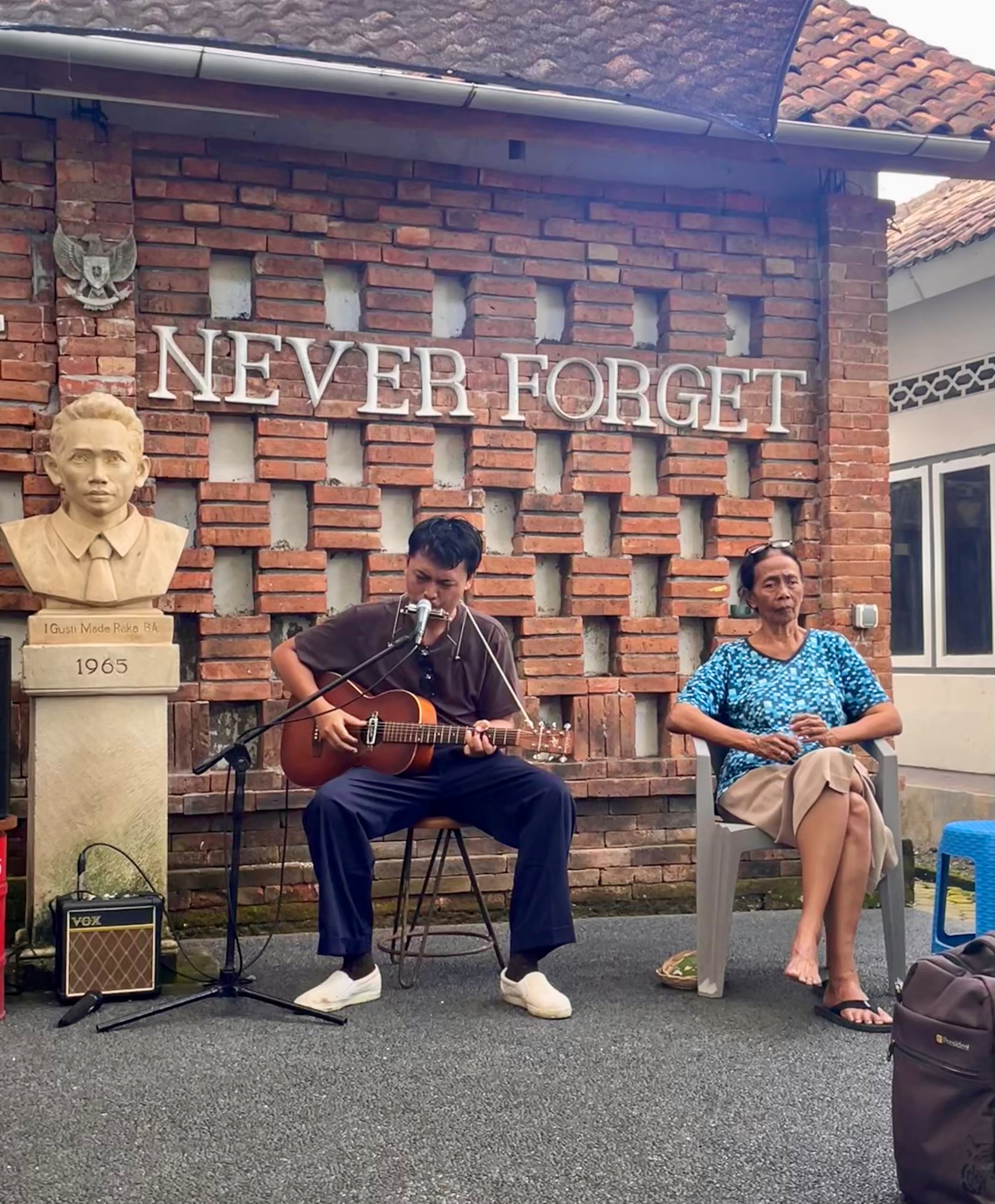
Despite these challenges, a small number of local initiatives are working to preserve the memory of the 1965 massacres. One such initiative is Taman 65, a communal space founded by a family of survivors. As one of its members describes it, “Taman 65 stands as a collective space of memory, honoring the victims and inviting people from all generations to learn and reflect about the history of 1965 truthfully”. It provides a rare platform for education, dialogue and advocacy, and stands apart from the island’s tourism-driven economy.
Bali offers a broader lesson about the dangers of leaving histories of violence unaddressed. While Indonesia did undergo a period of “Reformasi” after the end of Suharto’s rule in 1998, recent years have seen a shift back towards authoritarian tendencies. The current president, Prabowo Subianto, is a former special forces commander implicated in human rights abuses, and in late 2025 his government posthumously named Suharto a national hero.
In this political climate, it has become increasingly difficult for organisations like Taman 65 to continue their work. The tourism industry, by building resorts, villas and beach clubs over former sites of mass atrocities, directly contributes to the ongoing erasure of the history of 1965 and reinforces the silence that has surrounded it for decades. Bali thus illustrates how unaddressed violence, commercial pressures and imposed silence can intertwine, leaving societies with little space to deal with the legacies of their past.
This article captures impressions gathered during a study trip to Bali (Indonesia), in which members from our partner organisations came together to exchange perspectives on dealing with the past. The trip was organised by Asia Justice and Rights, a regional human rights organisation dedicated to building cultures of accountability, justice, and a commitment to learning from the root causes of mass human rights violations in the Asia-Pacific region.