NEWS | 4 Jun 2026
Rethinking climate justice through local action
How transformative transitional justice reshapes our understanding of local climate mitigation and adaptation efforts
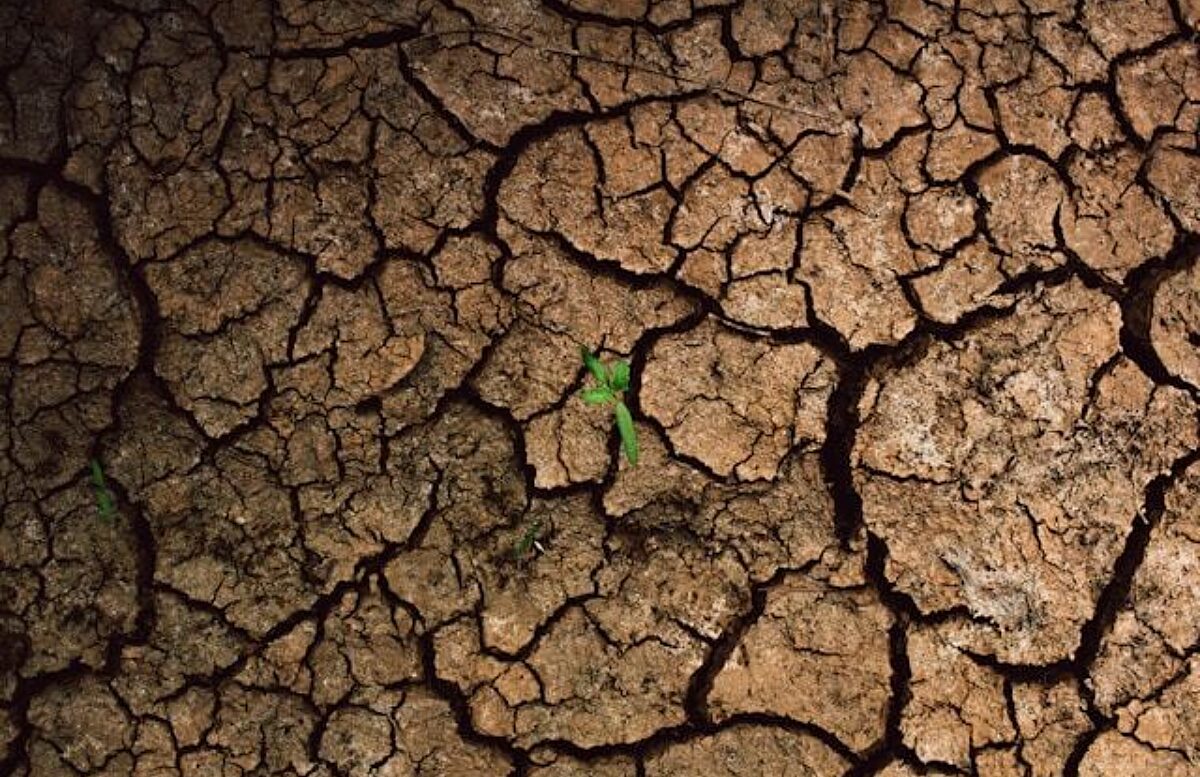
New research shows how transformative transitional justice opens fresh perspectives on community-led climate action, connecting past harms with future solutions.
Climate justice is at a turning point. While some of the world’s largest emitters are stepping back from climate commitments, communities least responsible for climate change are suffering some of its most severe consequences. These impacts often intersect with or exacerbate existing conflicts, violence, and socio-economic or political marginalisation, further intensifying vulnerabilities of local populations.
In response, affected communities are taking action to address climate-related harms. Yet these locally driven efforts remain largely overlooked in mainstream climate justice debates.
A transformative lens on climate justice
A new series of studies from the Global Learning Hub for Transitional Justice and Reconciliation explores how the application of transformative transitional justice can offer outside the box readings of local climate actions, thereby harnessing their potential for more responsive climate justice.
Traditionally, transitional justice addresses legacies of serious human rights violations through the four interconnected pillars of truth-telling, reparations, accountability, and guarantees of non-recurrence. Transformative approaches broaden this framework by strengthening the agency of affected communities and tackling the root causes of violence and inequality. Viewed through this lens, the research suggests to understand climate justice as an integrated practice comprising the four transitional justice pillars, while seeking to combine backward- and forward-looking measures in an attempt to mitigate and prevent future climate harms.
The research papers on the synergies between transitional justice and climate justice include:
- Transformative Transitional Justice and Climate Action: Nurturing Synergies for Climate Justice - Jasmina Brankovic and Samuel Sontag
- Local Transitional Justice Practices for Climate Justice: The Case of Nkhulambe, Malawi - Jasmina Brankovic
- “After the Peace Process, the Mountains Are Burning”: Exploring Transitional and Climate Justice Linkages in the Bangsamoro Autonomous Region in Muslim Mindanao - Samuel Sontag and Reemar Alonsagay
The studies identify several entry points within the global climate framework to advance climate justice. These include the potential contribution of the Intergovernmental Panel on Climate Change’s assessment reports to advance truth-telling, the role of the United Nations’ Loss and Damage architecture in supporting reparations, and strategic climate litigation as an instrument to strengthen accountability. Viewing these institutional and procedural mechanisms as potential leverage points offers new pathways for a more transformative global climate justice ecosystem.
Communities leading the way
Based on a participatory research methodology involving affected communities, the papers illuminate the irreplaceable role of community-based climate action. They also reveal the full complexities of climate harms and their intersection with other conflict- and violence-related injustices.
In Mindanao, the Philippines, communities stress that their daily experiences of climate-related harms are inseparable from ongoing injustices and inequalities rooted in colonial dispossession, state-sponsored extraction, and post-conflict marginalisation. This demonstrates that responses to climate disasters cannot be detached from the resolution of historical land-based injustices and legacies of colonial displacement that perpetuate communal vulnerability. In response, local community-led climate actions fuse transitional justice elements of truth-telling, reparations, and guarantees of non-recurrence in ways that challenge institutional silos between post-conflict and environmental governance. The research underscores that institutional frameworks must acknowledge and engage with such integrated community-based actions rather than displacing local agency with top-down technical solutions. The Bangsamoro Transitional Justice and Reconciliation Act of 2025 represents a key opening for advancing such integration.
In Nkhulambe, Malawi, residents have developed community-led measures that address past climate harms while strengthening solidarity in the present to reduce the risks of future climate events. As such they can be understood as climate-focused transformative transitional justice in practice, including forward- and backward-looking measures such as truth-telling and memorialisation as well as measure for adaptation and the prevention of future harms. These community level climate actions have the potential to complement and strengthen top-down national and international efforts, making them more inclusive, responsive to community needs, and conducive to more equitable climate action.
Across diverse contexts, these cases reveal the potential of community-driven climate action – viewed through a transitional justice lens – for equitable, locally grounded, and transformative approaches to the global climate crisis.
At a launch event on 3 June, the discussion of key findings from this research brought forth a number of recommendations on how practitioners from both the transitional justice and climate justice fields can contribute to unlocking this transformative potential:
- By promoting trust in locally led solutions and prioritising local ownership;
- By actively building bridges between community perspectives and institutional logics;
- By ensuring that contextualised assessments of the multi-faceted and intersectional harms, as well as local knowledge on effective responses and redress, are integrated into global climate justice efforts.