NEWS | 31 Mar 2026
Youth voices in transitional justice
Lessons learned from Kosovo and beyond
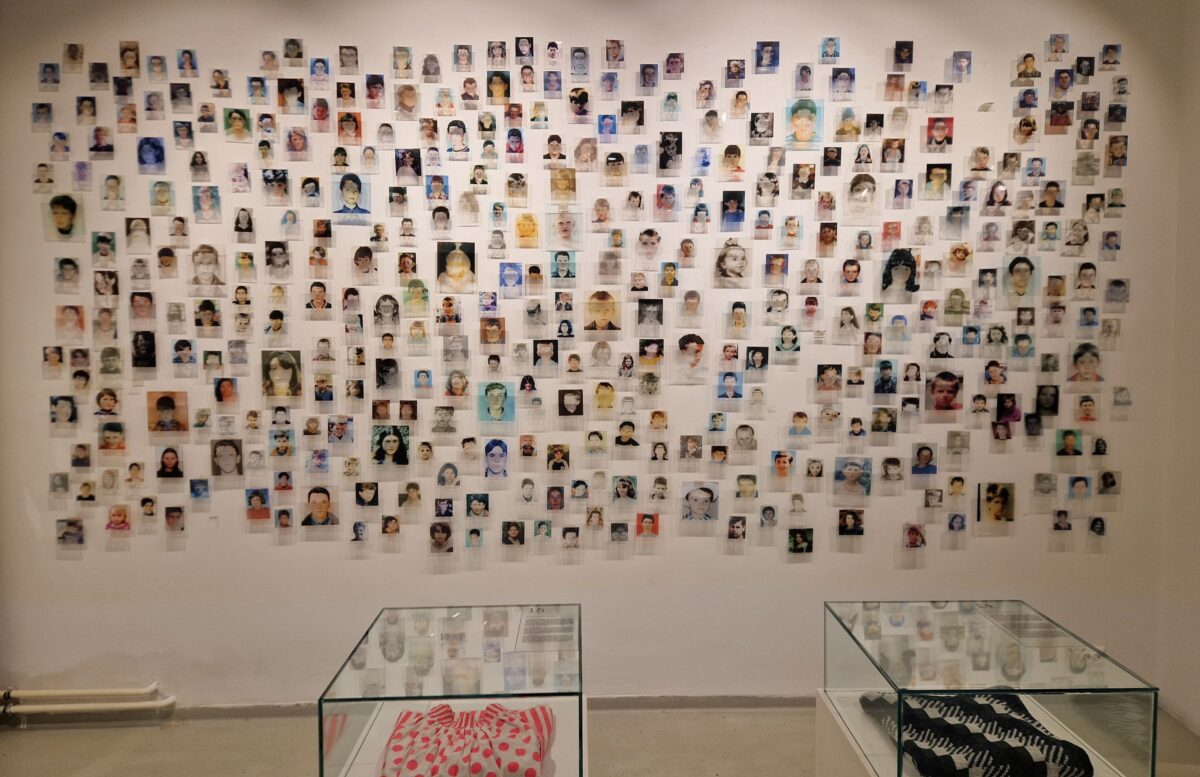
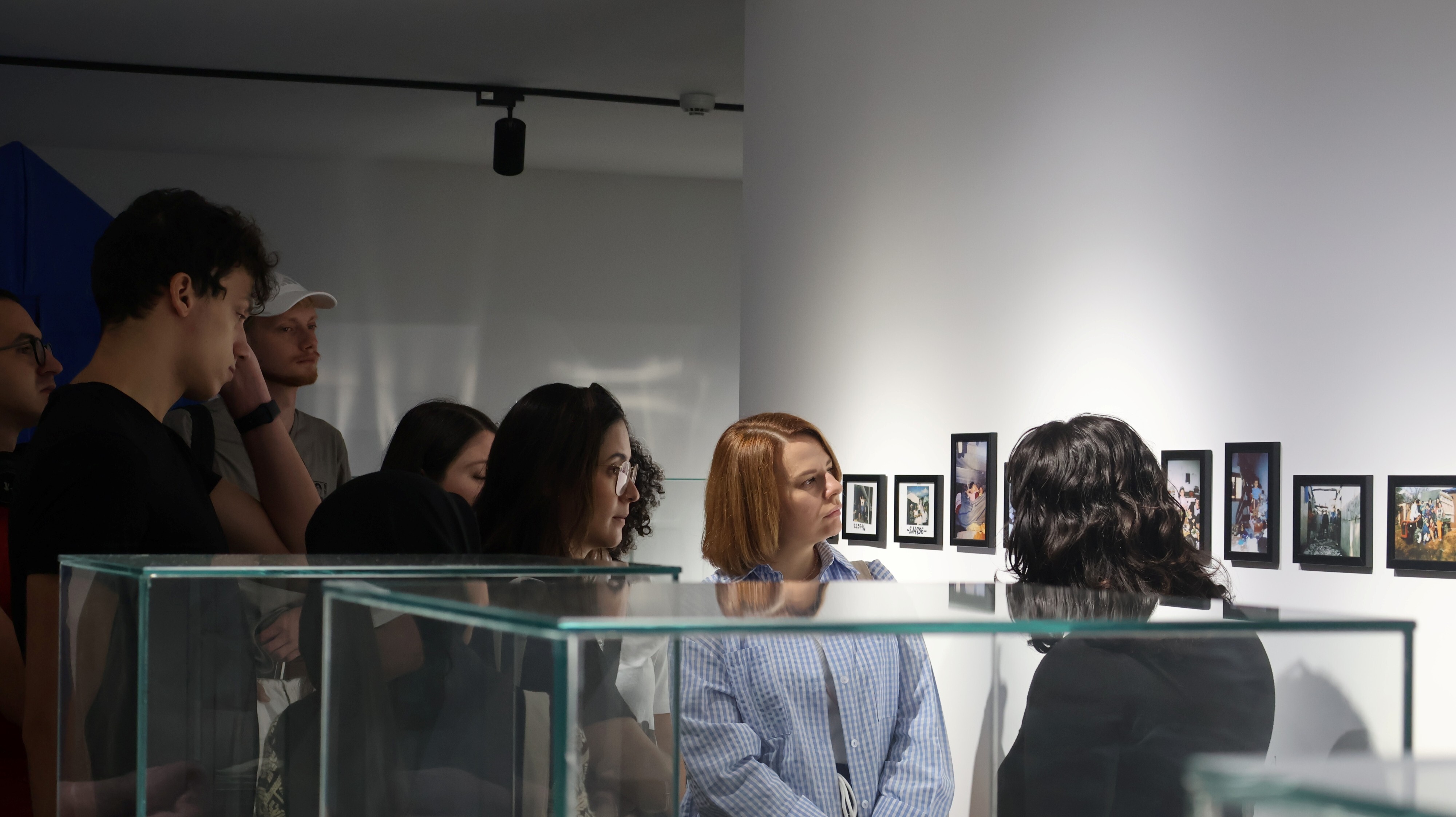
A new policy brief captures insights from a study trip to Kosovo by international youth activists, showing how young people can shape transitional justice efforts.
Young people are too often sidelined in transitional justice processes, despite the fact that their perspectives are essential for making these efforts inclusive and transformative. They are the ones who will carry forward the change that transitional justice aims to establish, whereas excluding them weakens both its legitimacy and long‑term impact. The involvement of youth is particularly relevant at a time where attempts to confront legacies of violence, memorialise atrocities and safeguard human rights are increasingly under pressure around the world.
The new policy brief Advancing Youth-Inclusive Transitional Justice: Lessons from Kosovo and Beyond shows why and how young people need to be given a meaningful voice in discussions around the design and implementation of transitional justice processes. Based on a study trip to Kosovo organised by the Youth Initiative for Human Rights, which brought together young activists and practitioners from the Western Balkans and across the globe, the brief summarises key lessons learned and highlights practical ways to strengthen youth participation.
Inheriting divided pasts
What emerged during the trip as a key task for young people in transitional justice was the need to challenge one‑sided historical narratives. In Prishtina’s public spaces, a predominant interpretation of the past is visible, which clearly distinguishes between victims (Kosovo Albanians) and perpetrators (Serbs). Throughout Kosovo’s capital, banners and monuments prominently commemorate the Kosovo Liberation Army (KLA) as national heroes of the Kosovo War (1998–1999). While the Kosovo Specialist Chambers in The Hague were formally established in 2015 to prosecute members of the KLA for alleged crimes against humanity and war crimes, the heroic public depiction of the KLA leaves little room for acknowledging this complexity as well as the grey areas present when defining categories of perpetrators and victims.
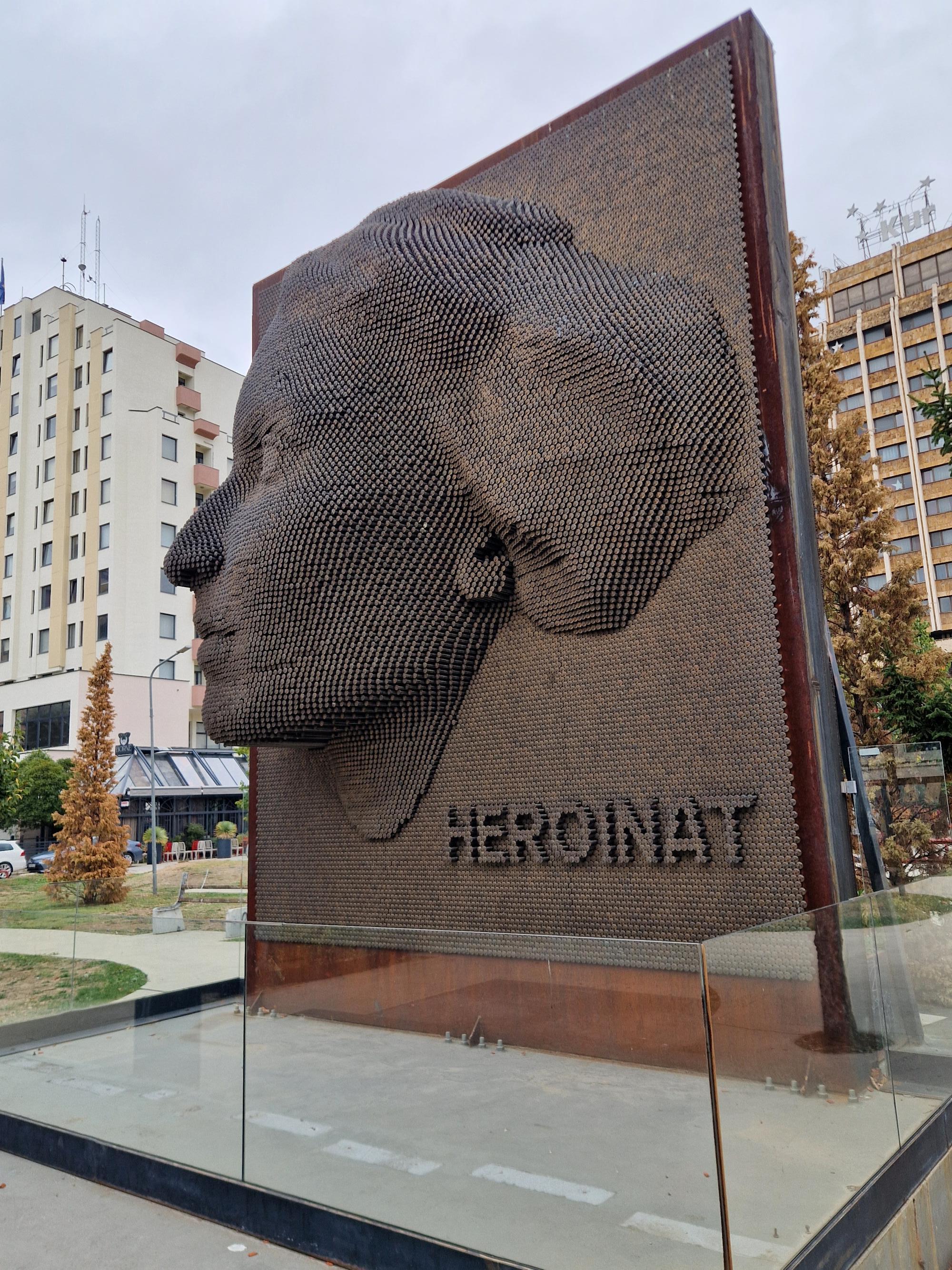
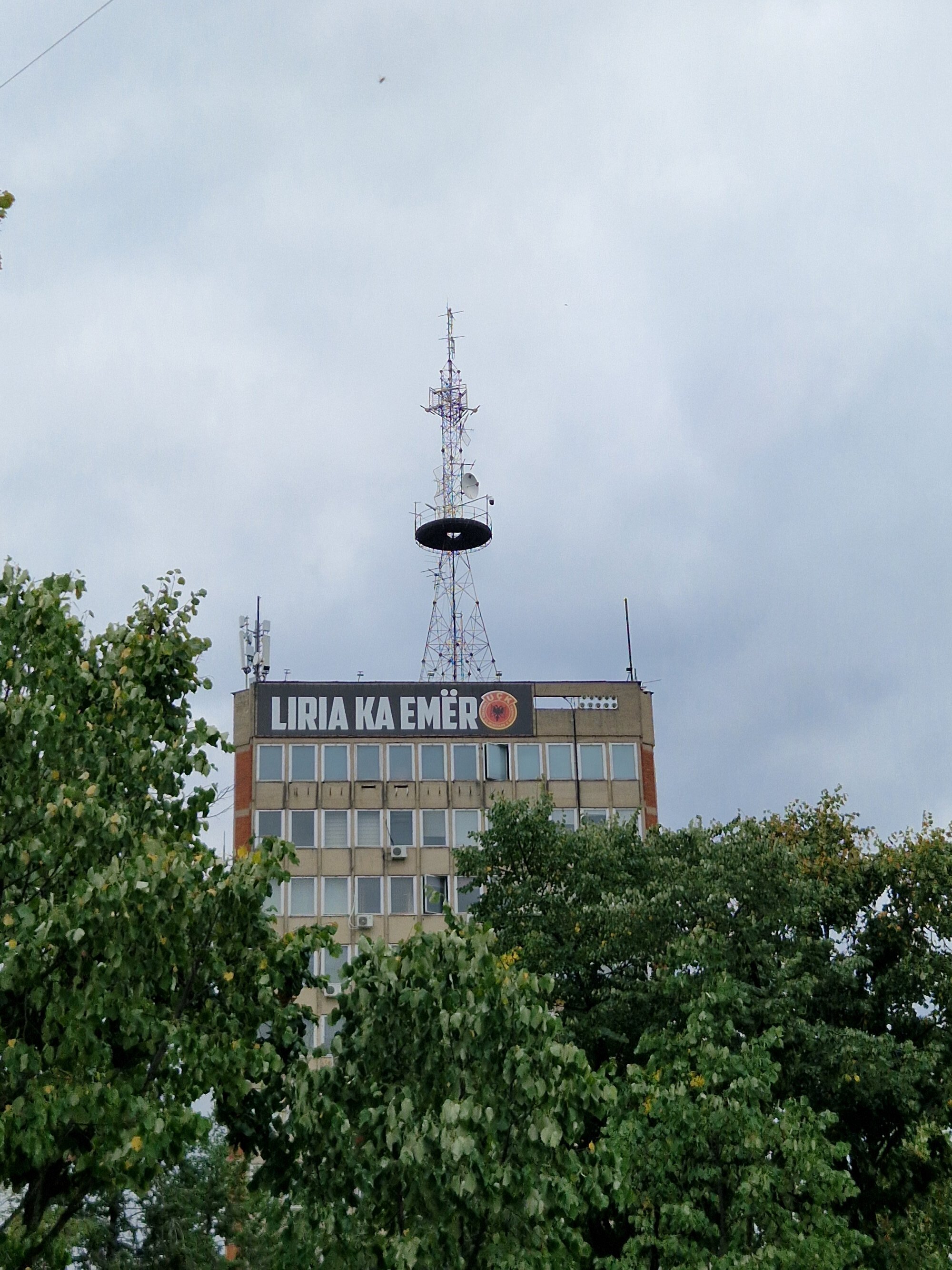
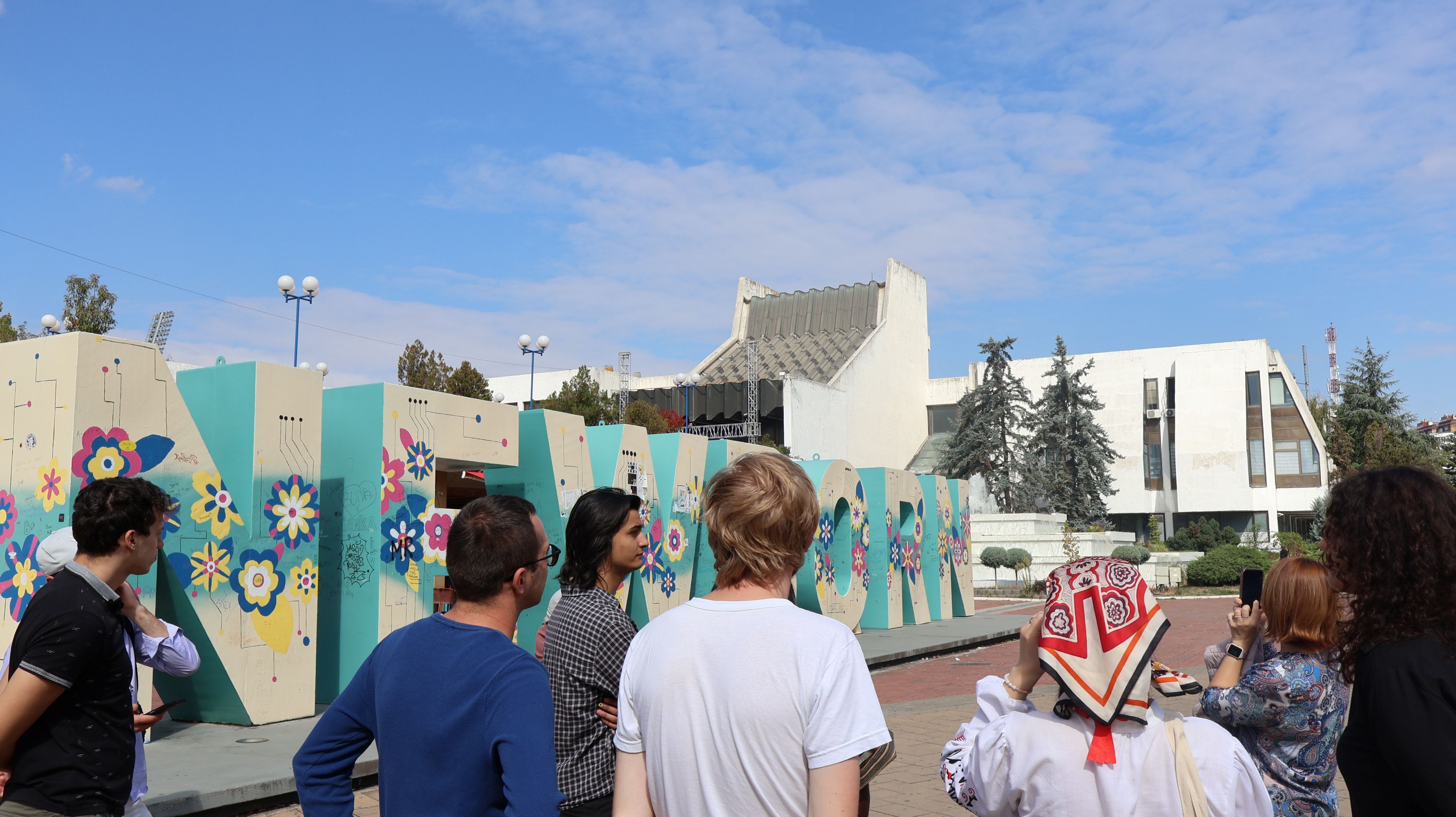
As young practitioners from other contexts highlighted, such biased historical narratives that neatly distinguish between victims and perpetrators are not a phenomenon specific to the Kosovo War. The policy brief argues that accounts of the past that neglect the blurred lines and nuances of history often result in persistent division and polarisation, rather than enabling societies to come to terms with legacies of violence.
The division between victims and perpetrators evident in Kosovo’s public spaces is facilitated by a separated education system that continues to divide Kosovo Albanians and Serbs. In practice, this means that young people grow up learning different versions of the past, reinforcing parallel narratives rather than creating space for shared understanding. These divisions are further amplified on social media—spaces where young people are especially active. The Kosovar experience thus highlight why youth engagement and media literacy are crucial to question inherited narratives and build common understandings of the past.
Voices of change
The polarisation in Kosovar society also makes it difficult to engage meaningfully with survivors of wartime violence, even though many young people today are the children of survivors and continue to carry intergenerational trauma. The policy brief therefore argues that transitional justice efforts must recognise youth as active rights-holders and ensure that they are supported to acknowledge suffering that occurred on different sides, as well as the historical trauma that shapes younger generations.
Civil society organisations play a central role in memorialisation and the preservation of collective memory in Kosovo, and many of these initiatives are driven by young people themselves. Through a range of activities, they document, reflect upon, and educate about the past in ways that are more inclusive of younger generations. Initiatives such as the Children of War Museum by the Youth Initiative for Human Rights or the Once Upon a Time and Never Again exhibition by the Humanitarian Law Center in Kosovo, which explores human rights violations and social injustices experienced by children, demonstrate how transitional justice can place young people at the centre of its efforts.
Kosovo demonstrates that reconciliation is an intergenerational endeavour. As the reflections of young practitioners captured in the policy brief make clear, these insights hold true far beyond this context: young people can be agents of transformative change wherever they are given a voice.
Click here to read the full policy brief written by Blendë Pira and Rina Kadiri from the Youth Initiative for Human Rights.